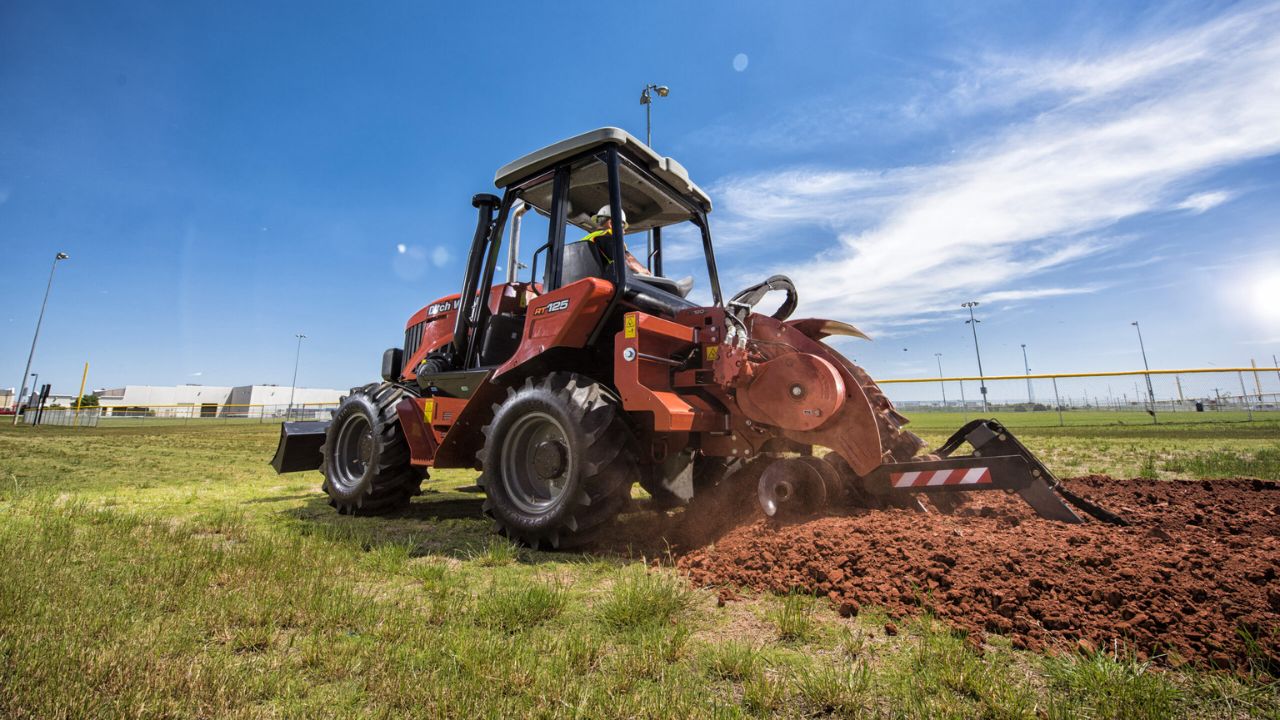
One of the most significant wear parts in digging and trenching machines is the trencher teeth. They are subjected to hard soil, rock, clay, and other tough grounds frequently. The teeth will even become dull and weak with time. When this occurs, there is reduced machine performance, it consumes more fuel, and the digging process becomes slow. Being aware of wear indicators allows operators to know the time of trencher replacement teeth when they are worn. This eliminates failures, lowers expenses, and makes the machine continue working effectively in the field.
Increased Fuel Consumption
Torn trencher teeth may also result in increased fuel consumption. Once teeth wear out or get damaged, the machine requires a greater amount of power to produce the same amount of cutting. This puts an additional strain on the engine and also consumes more fuel. Operators can find that fuel tanks empty more quickly despite no increase or decrease in workload. That is a good sign that the trencher teeth are inefficient and must be changed to get the normal fuel consumption level.
Uneven or Poor Trench Quality
Poor trench quality is another obvious indication of worn trencher teeth. The trench can appear rough, uneven, or uncut, rather than clean and neat. This occurs due to the fact that the worn teeth are not able to sustain a steady cutting depth or shape. Trench quality is highly valued in construction and utility work, and inaccurate work may result in rework or project delays. Once the appearance of trenches begins to be irregular, then it is probable that the teeth are not in good shape.
Visible Wear or Damage on Teeth
Trencher teeth can be checked by simply looking at them. In case the teeth are rounded, chipped, cracked, or worn out, it is likely that they will require replacement. A sharp cutting edge is a must-have in efficient trenching, and any visible damage will decrease performance. The tips on carbides can often break off, or the teeth made of steel can be too smooth to cut. Timely inspection can be used to detect such problems in time before they impact machine performance.
Excessive Machine Vibration
Unevenly worn or damaged trencher teeth may result in abnormal vibration during use. This occurs as the cutting force will no longer be evenly distributed among all teeth. This causes the machine to shake more than normal when digging. Over vibration not only makes the operator uncomfortable, but may also cause destruction of other machine parts in the long run. When strange shaking is felt, it is usually an indication that some teeth are in need of replacement.
Increased Strain on the Machine
The machine gets overworked, as it operates on trencher teeth that are worn. There is extra strain on the engine, chain, and drive system when in service. This additional load may cause other components to wear more quickly and be more susceptible to mechanical failure. The operators might realize that the machine does not perform as strongly or does not cope in normal soil conditions. This is a good sign that the teeth are no longer working well and ought to be replaced.
Frequent Breakage of Teeth
When trencher teeth begin to break more frequently than normal, then it is a definite indication that the teeth have reached their end of life. Breakages may be a result of wear, fatigue of the material, or even misuse over time. When teeth start breaking regularly, they cannot cope with normal trenching conditions, which are safe and effective. The machine can also be broken or weakened by the use of broken or weakened teeth, and thus, replacement of the teeth should be done in a timely manner.
Poor Penetration in Hard Soil
The other sign is a decrease in the penetration capabilities of tough ground. Trencher teeth that are healthy should easily cut through compacted soil, clay, or light rock. Once worn, they lose their sharp cutting edges and have difficulty digging effectively. This results in going round and round the same point and slower development. When the machine cannot easily penetrate the ground like before, probably the teeth are worn out and should be replaced.
Conclusion
To ensure effective and safe trenching, it is essential to identify the typical symptoms of trencher teeth wear. Slower digging rate, increased fuel consumption, low trench quality, obvious damage, vibration, and frequent breakage are all symptoms that show that it requires replacement. Such indications may cause an increase in the cost of repair, damage to the machine, and project delays. Inspection and replacement of trencher teeth on a regular basis will also assist in maintaining a smooth performance, reducing the cost of operation, and extending the life of the equipment.